Timely Stroke Care Can Save Lives and Prevent Disability Kamineni Doctors
HealthManasi Praharaj29 Oct 2026
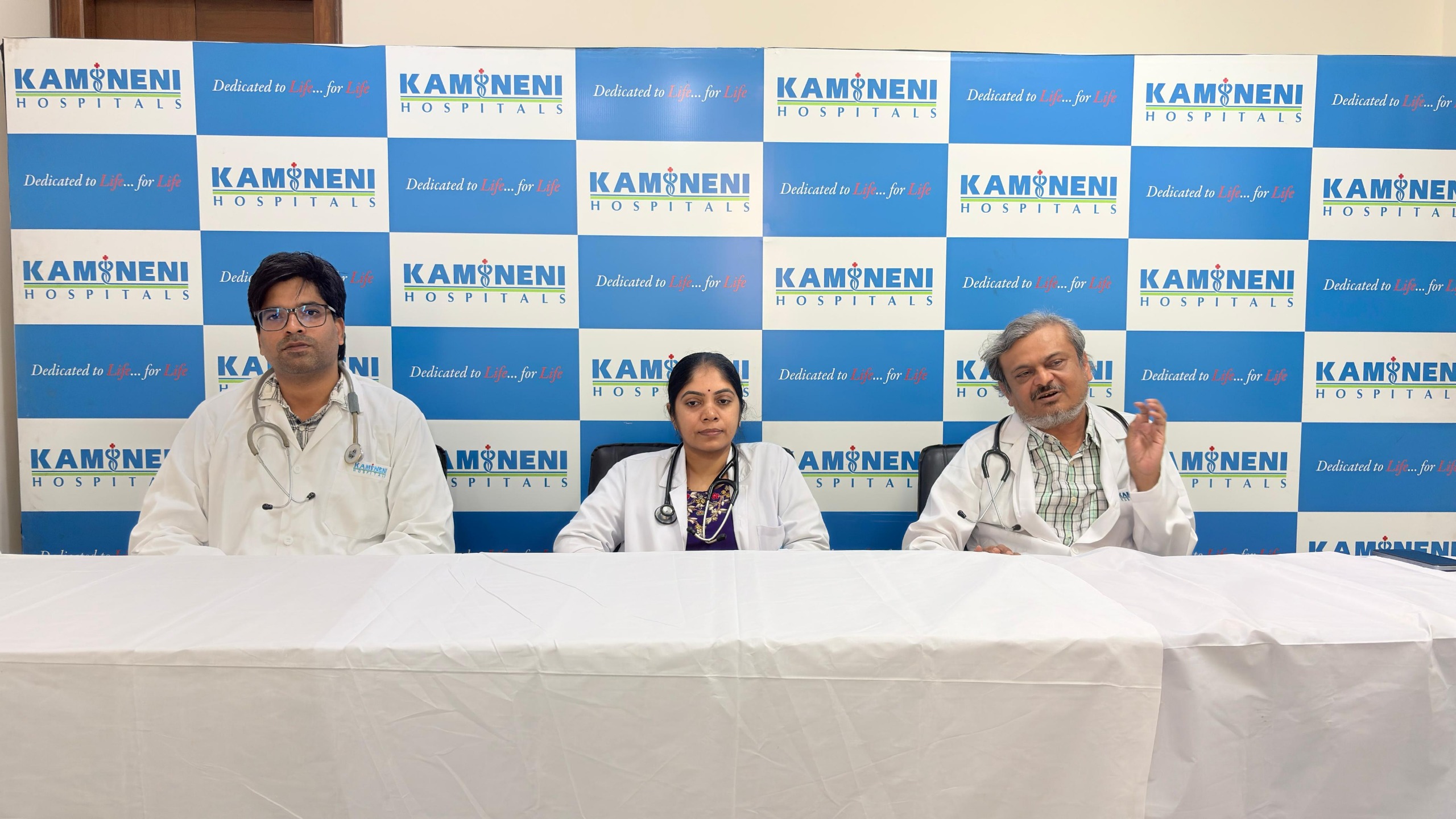
Hyderabad, October 29, 2026: On the occasion of World Stroke Day, neurologists at Kamineni Hospitals highlighted the importance of stroke prevention, early recognition and timely treatment, in line with the global campaign message, “Every M1nute Counts.” According to the World Stroke Organization, approximately 12 million people experience a stroke worldwide each year. Stroke remains a major cause of death and long-term disability, reinforcing the need for public awareness and timely access to appropriate medical care.
Stroke occurs when blood flow to the brain is interrupted or a blood vessel ruptures, damaging brain cells. High blood pressure, diabetes, high cholesterol, smoking, obesity, physical inactivity and certain heart conditions are important risk factors. Effective management of these factors, along with regular health check-ups and appropriate medical care, can help reduce stroke risk.
Dr. Kamlesh M. Chawda, Senior Consultant Neurologist and Head of the Department of Neurology, Kamineni Hospitals, stressed that stroke requires immediate medical attention. Sudden facial drooping, weakness or numbness of an arm or leg, difficulty speaking, vision disturbances or loss of balance may indicate a stroke. Prompt emergency assessment is essential, as some patients may be eligible for time-sensitive treatments. Even if symptoms resolve, medical evaluation should not be delayed.
Discussing prevention and lifestyle modification, Dr. M. Lakshmi Lavanya, Senior Consultant Neurologist, Kamineni Hospitals, highlighted the importance of controlling blood pressure, diabetes and cholesterol through medical supervision and sustainable lifestyle changes. A balanced diet, regular physical activity, maintaining a healthy weight and avoiding tobacco can help reduce risk. She also emphasised that regular check-ups and adherence to prescribed treatment are important for people with existing risk factors.
Highlighting the importance of continued treatment, Dr. Nareddy Sandeep Reddy, Consultant Neurologist, Kamineni Hospitals, cautioned that patients should not discontinue prescribed medication simply because they feel better. Recovery does not necessarily eliminate the risk of another stroke; treatment should be changed only after consultation with the treating doctor. He also noted that CT and MRI imaging help guide treatment decisions, while eligible patients with ischaemic stroke may benefit from clot-dissolving medication or mechanical thrombectomy. Individualised rehabilitation can support recovery of mobility, speech and daily functioning.
Stroke care may require coordination among emergency medicine, neurology, neuroradiology, neurosurgery, critical care and rehabilitation teams. Relevant diagnostic and neurosurgical facilities at Kamineni Hospitals include a 3 Tesla MRI, 128-slice CT scanner, Video EEG, neuro-navigation system, TIVATO ZEISS operating microscope and stereotactic frame. The investigations and treatment provided depend on the patient's condition and clinical assessment.
On World Stroke Day, the specialists urged the public to take preventive measures, recognise stroke warning signs and seek emergency medical care without delay. They also emphasised the importance of following prescribed treatment and attending regular follow-up appointments after a stroke.
