5 reasons Why an Applied DBA Offers Senior Leaders Greater Practicality and Career ROI
NewsGourab Patra10 Feb 2026
As global organisations grow more complex, senior leaders are expected to make faster, higher-stakes decisions with lasting impact. While traditional doctoral programmes have long shaped academic thought, today’s executives are seeking something more aligned with the realities they face every day. This is where the Applied Doctor of Business Administration (DBA) makes its mark. Designed for leaders who want rigorous research training without stepping away from leadership roles, the applied DBA is fast emerging as a high-impact pathway that strengthens both decision-making and long-term influence. Here’s 5 major reasons why it’s gaining momentum among modern senior leaders.
1. Research That Solves Real Business Problems An applied DBA puts organisational reality at the centre of research. Instead of abstract theory, leaders investigate challenges drawn directly from their own environments, from digital transformation and supply chain resilience to governance, culture, and strategy execution. The outcome is research that stands up to academic scrutiny while directly informing business decisions, policy direction, and long-term transformation.
2. Learning That Works Alongside Leadership, Not Instead of It One of the strongest advantages of an applied DBA is continuity. Leaders remain in senior roles while pursuing the programme, allowing learning and leadership to reinforce each other. Research frameworks are tested in real time, insights feed directly into decision-making, and growth compounds rather than interrupts a career. The result is immediate organisational impact alongside long-term capability building.
3. Academic Rigour with Boardroom Relevance Applied DBAs uphold the same methodological standards as traditional doctoral programmes. The difference lies in application. Research outputs are designed to travel beyond academic journals into boardrooms, policy discussions, and industry forums. Leaders gain the ability to translate evidence into sound judgment, helping them understand not just what works, but why it works in complex systems.
4. A Platform for Sustained Thought Leadership For many executives, the applied DBA is not a finishing line but a launchpad. Graduates often continue to publish, advise, speak, and shape conversations within their industries. The programme builds deep intellectual credibility, enabling leaders to move beyond operational authority and emerge as trusted voices on issues that matter to business and society.
5. Peer Learning with Experienced Professionals Peer learning is a powerful outcome of advanced executive programmes, where learning comes as much from practice as it does from theory. Cohorts are typically made up of senior leaders from diverse industries and geographies, creating a rich environment for insight-sharing and perspective-building. Programmes such as the IPAG DBA with XLRI Certification embody this applied approach by blending international academic frameworks with hands-on leadership practice across emerging and global markets, ensuring learning translates directly into better decisions and broader impact.
The Bottom Line: Choosing What Fits Your Leadership Journey
While both PhDs and applied DBAs play critical roles in advancing knowledge, the applied DBA offers a distinct advantage for senior professionals leading complex organisations. It aligns rigorous research, practical relevance, and ongoing leadership into a single journey. In an era where executive decisions carry unprecedented risk and responsibility, this model equips leaders with clarity, evidence, and foresight.
The applied DBA isn’t just an alternative academic credential. It’s becoming a strategic tool for leaders who want to strengthen their impact today while shaping the future of their organisations with confidence and credibility.






News
Morepen Clocks Highest-Ever Quarterly Revenue and Earnings in Q1'FY27; EBITDA Grows by 207% and PAT by 394%; CDMO Enters Full Scale Commercialization
News
Quint Digital Ltd. Brings Time Out Market to India with First Location at Worldmark, New Delhi
News
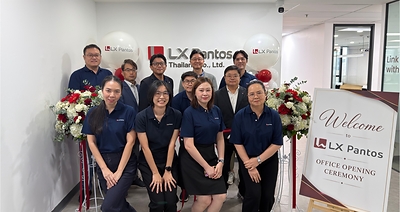
LX Pantos Thailand Opens Newly Renovated Bangkok Office to Support Business Growth

News