World Quality Report 2025: AI adoption surges in Quality Engineering, but enterprise-level scaling remains elusive
BusinessAdmin14 Nov 2025
New Delhi, India November 14, 2025: OpenText™, a global leader in secure information management for AI in collaboration with Capgemini, an AI-powered business and technology transformation company, and Sogeti (part of the Capgemini Group), today announced the 17th edition of the World Quality Report 2025: Adapting to Emerging Worlds. The report reveals that while nearly 90% of organizations are now actively pursuing generative AI (Gen AI) in their quality engineering (QE) practices, only 15% have achieved enterprise-scale deployment.
The report finds a widening gap between organizational interest in Gen AI and actual readiness to adopt it effectively within QE. The journey from experimentation to implementation is more complex than anticipated, requiring alignment between operational innovation and strategic oversight.
“Quality engineering is being redefined by AI. Standing still is no longer an option – organizations must embrace AI-driven transformation to stay competitive and deliver faster with higher confidence,” said Tal Levi-Joseph, Senior Vice President, Application Delivery Management at OpenText. “AI has organizations moving beyond traditional testing to embed quality throughout the software delivery lifecycle.”
“Comparing year on year data from the World Quality Reports, Generative AI in Quality Engineering has shifted from early experimentation to strategic integration. While technical progress is clear, many organizations still struggle to align Gen AI enabled quality engineering with business goals. In 2025, we’re seeing more focus on governance, ROI, and cross-functional impact. The challenge ahead is closing the Gen AI divide to turn investment into measurable value,” said Mark Buenen, Global Leader, Quality Engineering & Testing at Capgemini.
Key findings from the report:
- Widespread adoption: 89% of responding organizations are piloting or deploying Gen AI–augmented workflows, with 37% in production and 52% in pilot phases.
- Momentum and recalibration: The rate of non-adopters of Gen AI increased to 11%, up from 4% in 2024, but it’s still considerably lower than 2023’s 31%, indicating the initial rush has given way to a more grounded and complex strategy about readiness and value.
- Limited scale: Only 15% of respondents have achieved enterprise-wide implementation, while 43% remain in the experimental phase and 30% operate within limited use cases.
- Evolving use cases: Gen AI is shifting from analyzing outputs (such as defect analysis and reporting) to shaping inputs, with test case design and requirements refinement now leading adoption.
- Operational gains with caveats: Organizations report an average productivity boost of 19%, but one third have seen minimal gains, highlighting the need for smarter integration strategies.
- New barriers emerge: In 2025, top challenges experienced by respondents include integration complexity (64%), data privacy risks (67%), and hallucination and reliability concerns (60%) This is a change from 2024 when top obstacles were more strategic in nature: lack of validation strategy (50%), insufficient AI skills (42%), and undefined QE organization (41%).
- Skills gap remains: 50% report their organizations lack AI/ML expertise, which is unchanged from 2024.
- Strategic misalignment: Many organizations treat GenAI as a tactical enhancement rather than a strategic enabler, resulting in fragmented execution and underfunded initiatives.
“For organizations to unlock GenAI’s full potential in quality engineering, they must invest in skills, governance, data and outcome alignment. AI amplifies capability, but it cannot substitute for it,” Levi-Joseph said. “As the report reveals, the organizations that succeed are those that strengthen their quality engineering fundamentals and use AI to augment core capabilities, such as design, development, and testing.”
The report also emphasized the emergence of collaborative intelligence, where human expertise and AI capabilities combine to drive quality outcomes. This hybrid approach is proving essential as organizations navigate the tension between innovation and accountability. The report also showed that while shift left is still the dominant approach in quality engineering, the shift-right approach is gaining traction.






Business
Faster Lienholder Payments: One Inc and Copart Lead the Way in Automotive Claims Innovation
Business
Godrej Agrovet signs MoU with the State Government of Andhra Pradesh for INR 70 Crore Investment
Business
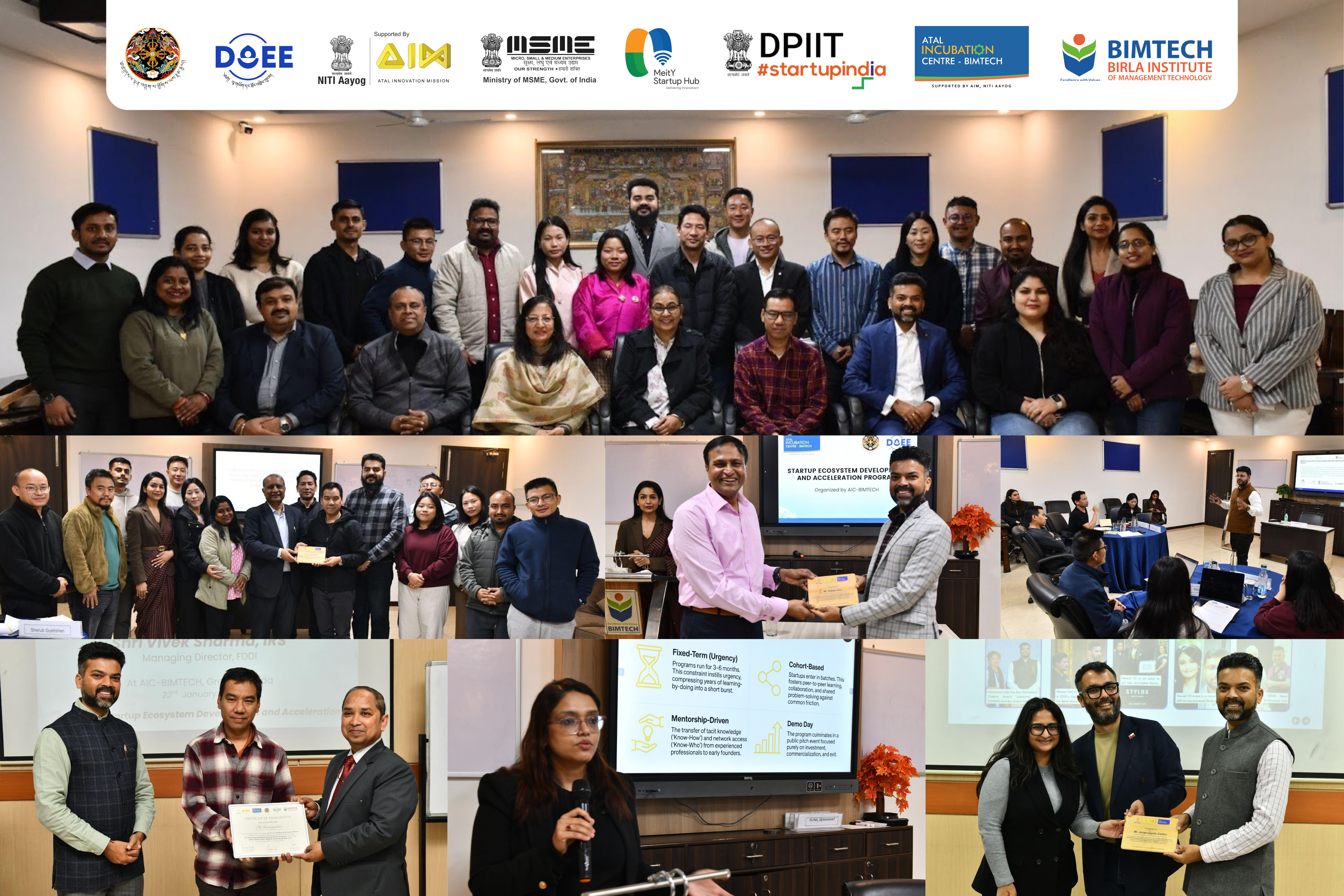
AIC BIMTECH Accelerates Global Startup Push, Enters 2026 with $15M International Collaboration Drive

Business