1,500+ Cases and 1,000+ Arrests in Just 72 Hours: Kerala Police Launch India's Biggest Narcotic Hunt Under Operation Toofan
NewsJoseph Andrew11 Jun 2026
The Kerala Police has launched a synchronized anti-narcotics enforcement campaign titled Operation Toofan, positioning frontline police units at the vanguard of the mission. Operating with direct tactical, administrative, and data assistance from regional intelligence cells and state administrative departments, the Kerala Police force has established a unified command structure to target interstate supply corridors. This extensive mobilization resulted in the registration of more than 1,500 cases, the execution of more than 1,000 arrests, and the recovery of substantial quantities of synthetic contraband within the first 72 hours of field deployment.
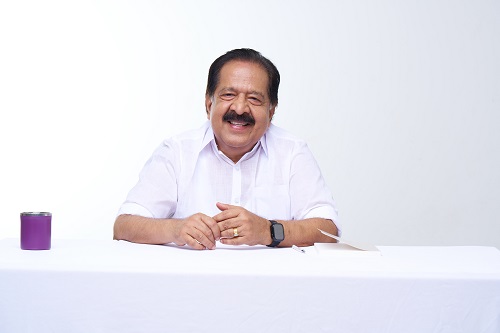 |
The man behind Operation Toofan, Kerala Home Minister Ramesh Chennithala
The operation's success relied on a carefully timed blueprint.
Two weeks before the academic year started, Home Minister Ramesh Chennithala finalized a strategy designed to catch school-zone traffickers off guard. Police units then began quietly mapping out the networks. The moment students went back to class, the trap snapped shut, shifting from silent surveillance to aggressive field arrests across state lines.
The word “Toofan” knows no geographic or linguistic borders. Home Minister Ramesh Chennithala explained why the administration chose a name with pan-India resonance.
“Kerala, today is a rapidly evolving global hub, welcoming a massive workforce of guest workers from various states, IT professionals, and international tourists. We chose a name that instantly communicates our absolute zero-tolerance policy to everyone who steps into the state,” Chennithala said.
The official launch of the campaign took place at Cotton Hill Girls Higher Secondary School in Thiruvananthapuram. Chief Minister V.D. Satheesan inaugurated the function, which was presided over by Home Minister Ramesh Chennithala. The event saw massive participation from students, parents, police officials, and the general public, capturing immense public attention right from the school venue.
From that very moment, social media platforms began flooding with viral campaigns backing the crackdown, creating a digital wall of solidarity against the drug networks. On the ground and across the internet, the operation triggered an unprecedented wave of public support, with citizens courageously stepping up to flood police tip lines and use secure digital nodes to share real-time, actionable information about local peddlers.
Breaking away from formal press releases, Police Chief Ravada Azad Chandrasekhar and the officer in charge, IG Putta Vimaladitya, took to official social media pages, using the native language to personally ask the public for help.
Two days into the campaign, the Home Minister stepped in to launch special mobile and WhatsApp hotlines, guaranteeing complete anonymity to anyone passing on information about local dealers. Rather than just booking local buyers, the state police focused on finding the drug network at its source.
The crackdown included highly unusual incidents, such as a suspect who hid a packet of ganja inside a boiling pressure cooker, only for the cooker’s whistle to emit a strong odor that alerted searching officers. In another case, a tech worker caught growing cannabis claimed the plants were meant for making kitchen chutney.
To dismantle the wider syndicate, investigators used pictures found in seized phone galleries to trace the supply lines backward. This root-level approach led teams straight to the top, resulting in the interstate arrest of two major foreign kingpins, Samuel in Delhi and Elsina in Bengaluru.
Operation Toofan: The Narco Hunt uses a four-pillar system to fight drugs. Under Toofan Strike, specialized police teams and supporting departments launch smart, targeted raids at border check posts to stop chemical drug shipments. For health and recovery, Toofan Care links the police with medical departments to provide rehabilitation and clinical counseling for those dealing with dependency. To protect students, Toofan Warriors uses the Student Police Cadet network and local youth under the Education Department to closely monitor school and college campuses.
As part of this initiative, Kerala Police organizes specialized awareness classes for students to educate them against drug abuse under Operation Toofan. To turn this into a massive state movement, the Home Minister and high-ranking officials plan to personally visit as many schools as possible to deliver the anti-drug message.
Furthermore, all campuses have been asked to hoist the Toofan campaign flag to declare themselves as drug-free zones. Additionally, every student across campuses has been asked to wear the “Toofan Warrior” badge, declaring their commitment to actively protecting their campuses.
The operational framework of this unique drug hunt, Operation Toofan, relies heavily on strategies previously established by Home Minister Ramesh Chennithala.
A senior national figure within the Indian National Congress and a permanent invitee to the Congress Working Committee, Chennithala has adapted successful mechanisms from his earlier landmark campaigns, most notably Operation Kubera. Launched during his previous tenure, that courageous enforcement drive successfully eradicated the state's predatory illegal money-lending network.



News
Namo Re from Nagabandham Becomes One of the Year's Biggest Songs, Filmed with 5,000 Dancers on a Rs. 10 Crore Scale

News
Build Credit, Earn Cashback: Paisabazaar and SBM Bank India Launch Paisa+ Secured Credit Card

News
M3M Foundation's 'Dance for Dignity' Becomes a Celebration of Human Spirit at Delhi

News