India's Travel Technology Market and the Growth of AI-Assisted Trip Planning
BusinessBhumika Lenka22 Oct 2026
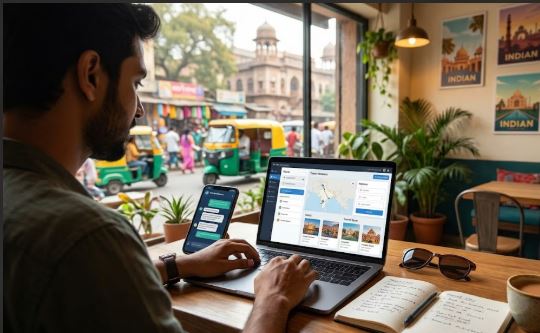
India’s travel industry is becoming increasingly digital as travellers look for easier ways to plan holidays, compare prices and organise their journeys. Artificial intelligence (AI) is accelerating this shift by helping people discover destinations, build itineraries and access travel information with less effort.
From family holidays and weekend breaks to business trips and international travel, technology is changing how consumers make travel decisions. Instead of spending hours browsing multiple websites, travellers can increasingly use digital tools to receive recommendations based on their budgets, interests, available time and preferred experiences.
This shift is creating fresh opportunities for online travel platforms, hotels, tour operators and smaller businesses seeking to reach customers through digital channels.
AI Makes Travel Planning More Personal
One of the biggest changes in travel technology is the move towards personalised planning. Traditional booking platforms allow users to search for flights, hotels and holiday packages. AI-powered tools can go further by combining these preferences into more relevant travel suggestions.
Travellers can use conversational assistants to explore destinations, compare accommodation options, organise sightseeing and build itineraries around specific requirements. These tools can also help users consider travel time, seasonal conditions and estimated expenses when planning a trip.
For consumers, this can make travel planning more convenient and help them make informed decisions. For travel companies, personalisation offers a way to improve customer engagement and present services that better match individual needs.
However, recommendations are most useful when the information is accurate, prices are current and booking conditions are clearly explained.
Growing Interest in AI-Powered Travel
The adoption of AI reflects a wider change in how Indian consumers use digital services. Travellers are becoming more comfortable using online platforms to research destinations, compare deals and manage bookings.
Industry research published in 2025 indicated that the use of generative AI for travel planning was increasing, with adoption rising from 17% to 26% among surveyed travellers. The findings point towards growing interest in technology that simplifies travel research and decision-making.
India’s AI-enabled tourism market has also been projected to expand significantly, reflecting expectations of wider adoption across travel planning and related services. Such projections indicate potential growth rather than guaranteed outcomes, as actual adoption will depend on consumer trust, service quality and the usefulness of available tools.
As digital travel services become more accessible, businesses will need to focus on practical benefits rather than technology alone.
New Business Opportunities for Travel Companies
The growth of AI-assisted trip planning is opening opportunities across India’s travel and hospitality sectors. Online booking platforms can use AI to improve recommendations and customer support, while hotels and resorts can offer more personalised information before and during a guest’s stay.
Tour operators can use digital tools to develop flexible packages for different budgets and interests. Small travel agencies can also strengthen their online presence, respond to enquiries more efficiently and reach customers beyond their immediate locations.
For small and medium-sized businesses, these developments could help reduce some routine administrative work and improve the speed of customer service. However, adopting new technology requires investment, staff training and careful management of customer information.
Businesses that combine useful digital services with reliable human support may be better placed to build lasting customer relationships.
Digital Tourism Can Support Regional Destinations
AI-powered travel discovery could also help bring greater attention to destinations beyond India’s established tourist centres. Travellers searching for nature-based holidays, cultural experiences, local cuisine, heritage sites and rural stays may discover places that receive less visibility through conventional travel channels.
This creates potential opportunities for local guides, homestays, transport operators, restaurants, craft sellers and community-based tourism businesses. Better online visibility can help these enterprises connect with visitors and generate income from tourism.
Yet digital promotion alone cannot guarantee local economic benefits. Destinations also need dependable transport, suitable accommodation, clean public spaces, responsible tourism practices and accurate information. When these foundations are in place, technology can help connect visitor demand with local services.
AI Is Expanding Beyond Bookings
Travel technology is gradually moving beyond flight and hotel reservations. Digital tools can support itinerary management, customer service, travel updates and recommendations throughout a journey.
For example, a traveller may use an AI assistant to organise a multi-day itinerary, while a hotel may use automated systems to answer common questions. Travel businesses can also analyse customer preferences to identify demand patterns and improve their services.
Nevertheless, AI should support rather than replace informed decision-making. Travel disruptions, cancellations, refunds and complex customer complaints often require human judgement. Clear policies, secure payment systems and responsible handling of personal data remain essential to maintaining consumer confidence.
Challenges That Travel Businesses Must Address
Despite its potential, AI-powered travel planning faces several challenges. Inaccurate recommendations, outdated prices, misleading information and limited personalisation can affect the customer experience. Smaller businesses may also face difficulties adopting new tools because of cost, technical limitations or a lack of trained staff.
Privacy is another important consideration. Travel platforms often handle personal details, payment information and booking histories, making data protection essential.
Businesses must therefore evaluate technology based on its reliability, affordability and value to customers. Transparent pricing, verified information and accessible customer support will remain important differentiators.
The Future of India’s Travel Technology Market
The future of India’s travel technology market will depend on how effectively digital innovation addresses real travel needs. AI can make planning faster, improve destination discovery and help businesses provide more relevant services. Its impact, however, will depend on trust, accurate information and the quality of the overall travel experience.
For India’s tourism industry, the opportunity extends beyond online bookings. Technology can help smaller enterprises reach new customers, encourage interest in regional destinations and support more efficient operations across the travel value chain.
As adoption grows, businesses that balance intelligent digital tools with dependable service and local knowledge will be better positioned to respond to changing traveller expectations. The strongest opportunity lies not simply in automating travel planning, but in making travel more accessible, convenient and valuable for both visitors and the businesses that serve them.
